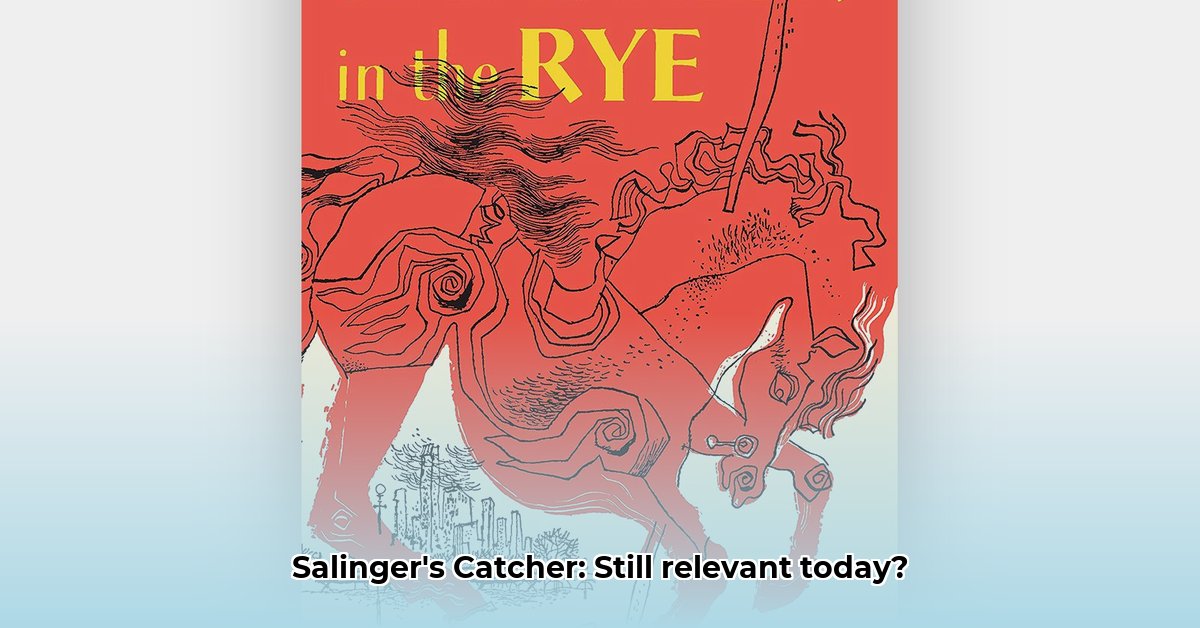
Exploring Holden's Enduring Appeal
J.D. Salinger's The Catcher in the Rye, a coming-of-age novel featuring the cynical and rebellious Holden Caulfield, remains a cultural touchstone decades after its publication. Its enduring appeal lies not simply in its relatable portrayal of teenage angst, but in its insightful exploration of identity, authenticity, and the complexities of growing up. The novel’s continued relevance, however, is also intertwined with significant controversies surrounding its mature themes and language, prompting ongoing debates about its suitability for young readers and its place in the educational landscape.
Holden Caulfield: The Everyteen (and the Not-So-Everyteen)
Holden Caulfield, the novel's protagonist, is far from a typical teenage hero. His cynicism, sarcasm, and disillusionment with the perceived "phoniness" of the adult world resonate deeply with readers, young and old. He's a flawed character, prone to self-destructive behaviour and struggles forming genuine connections. Yet, this very unlikeability is part of his enduring appeal. Holden’s raw honesty, revealing the anxieties and uncertainties of adolescence, creates a sense of intimacy and relatability. We see glimpses of vulnerability beneath his jaded exterior, making him a captivating and complex figure, despite his frustrating flaws. As Professor Susan Sontag once argued, "the true subject of literature is the exploration of the human condition," and Holden's journey epitomizes this exploration. His emotional turmoil, though intensely personal, taps into universal teenage experiences.
Isn't it fascinating how a character so deeply flawed can still capture our hearts? After all, who hasn't felt the sting of disillusionment or the longing for genuine connection?
The Book That Started a Thousand Arguments (and Still Does)
The Catcher in the Rye's frank depiction of teenage life, including its profanity and sexually suggestive content, has fueled decades of debate. This controversy isn't merely about explicit language; it's about the ethical implications of representing sensitive topics in young adult literature. Proponents argue that the novel's unflinching realism fosters important conversations about taboo subjects and offers a valuable insight into the challenges faced by adolescents. Conversely, critics express concern over its potential negative impact on vulnerable young readers. This ongoing discussion highlights both the power and the potential pitfalls of authentic storytelling. The novel's unvarnished view of adolescence, while commendable for its realism, requires careful consideration and responsible guidance.
How do we balance the book's literary merit with its potential to be misunderstood or misused? This is a question educators and parents wrestle with constantly.
More Than Just Teen Angst: A Deeper Dive into Identity
Beyond teenage angst, The Catcher in the Rye profoundly explores themes of identity and authenticity. Holden's relentless pursuit of genuine human connection, his rejection of "phoniness," drives the novel's narrative. However, this quest for purity often leads him down paths of self-destruction. The conflict between Holden's ideals and the realities of the world creates a relatable tension that extends far beyond adolescence. His desire to be a "catcher in the rye," protecting children from the perceived corruption of adulthood, reflects a yearning for innocence and a deep-seated fear of loss. However, his own morally ambiguous actions complicate this idealized image, further enhancing his complexity.
This search for identity, wouldn't you agree, is a journey many of us embark on throughout our lives, not just in our teenage years?
Salinger's Style: A Revolution in Adolescent Literature
Salinger’s innovative first-person narrative style immerses readers directly into Holden’s turbulent world. His raw honesty, his use of teenage slang, and the stream-of-consciousness narrative technique were revolutionary for their time. This stylistic departure from conventional coming-of-age stories ushered in an era of greater realism and psychological depth in adolescent fiction. His writing remains influential, shaping the landscape of adolescent literature and continuing to be studied and emulated by writers today..
Did Salinger's unique style contribute to the book's enduring appeal and controversial nature? It is likely a central element, particularly given the authenticity it fostered.
How to Teach The Catcher in the Rye Responsibly
Key Takeaways from Draft Article:
- Effective teaching requires a structured approach, balancing engaging activities with rigorous critical analysis.
- Addressing the novel's mature themes and language demands careful planning and pre-emptive discussions.
- Differentiated instruction is essential to cater to the diverse needs of learners.
The enduring appeal and ongoing controversies surrounding The Catcher in the Rye necessitate a responsible and thoughtful approach to teaching the novel. A balanced curriculum, incorporating pre-reading activities, sensitive discussions of mature themes, and structured post-reading analysis, is crucial for maximizing its educational value.
The above points represent a framework for addressing the teaching of the text. It addresses the complexities of its subject matter, while ensuring a responsible and meaningful learning experience.